Delightful 4th Grade Rainbow: A Practical Guide to Choosing This Whimsical Embroidery Design
In the world of machine embroidery, selecting a design that balances visual appeal with technical reliability is often the most challenging part of the creative process. The Delightful 4th Grade Rainbow has emerged as a popular choice for those seeking a playful aesthetic without compromising on stitch quality. Unlike generic clip art converted hastily into stitch files, this design offers a specific blend of charm and structural integrity that appeals to both hobbyists and small business owners. Understanding what makes this pattern distinct, how it compares to other whimsical styles, and when it fits best within a project portfolio is essential for making an informed investment.
Defining the Delightful 4th Grade Rainbow Style
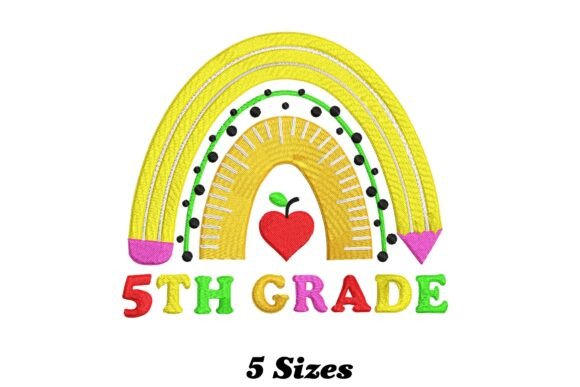
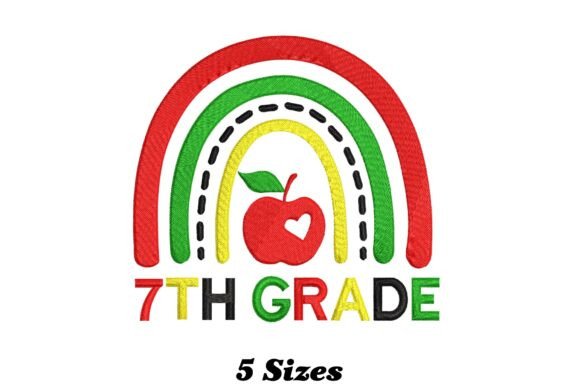
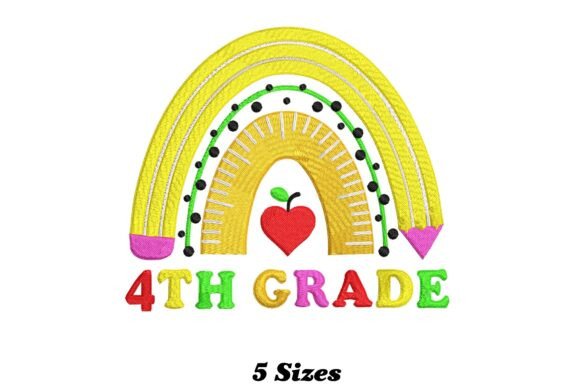
The Delightful 4th Grade Rainbow is more than just a simple arc of colors; it is a carefully constructed embroidery file designed to bring a sense of nostalgia and joy to various fabric surfaces. The "4th Grade" designation in the title suggests a specific stylistic approach: clean lines, bright primary and secondary colors, and a hand-drawn feel that mimics the innocence of childhood artwork. This distinction separates it from hyper-realistic rainbow designs or overly complex vector conversions that can result in thread breaks or puckering.
What sets this design apart is its adaptability. While many rainbow patterns are rigid and require large hoop spaces, the Delightful 4th Grade Rainbow is engineered to maintain its proportions across different sizes. It utilizes a stitch density that allows it to sit comfortably on lightweight materials like t-shirts without creating a stiff patch, yet it possesses enough coverage to look substantial on heavier items like towels or home decor accents. The design's architecture ensures that the color transitions are smooth, avoiding the jagged edges often seen in lower-quality digital downloads.
Evaluating Technical Specifications and File Formats
One of the primary factors in choosing any digital embroidery asset is compatibility. The Delightful 4th Grade Rainbow comes packaged with multiple embroidery file formats, addressing a common pain point for users who own diverse machines. Whether you operate a domestic Brother, a Bernina, a Janome, or a commercial Tajima, having access to native file types such as .PES, .DST, .JEF, and .VIP eliminates the need for third-party conversion software. This is a significant advantage over single-format alternatives, which often force users to pay extra fees or risk distortion during the conversion process.
When comparing this multi-format package to single-file options, the trade-off is usually price versus convenience. While buying a single format might be cheaper upfront, the time spent converting files and testing them for errors can outweigh the initial savings. For professionals managing a production schedule, the immediate usability of the Delightful 4th Grade Rainbow formats reduces downtime. However, users should still verify their specific machine model against the provided list of supported formats to ensure seamless integration.
Comparing Whimsical Styles and Alternatives
Within the broader category of playful embroidery, there are several approaches to achieving a similar look. Some designers opt for highly detailed, realistic rainbows with gradients and shading, while others choose minimalist line-art versions. The Delightful 4th Grade Rainbow occupies a middle ground that is often the most practical for general use.
- Detailed Realistic Styles: These designs often require high thread counts and precise tension settings. They can be beautiful but are prone to issues on stretchy fabrics and may take significantly longer to stitch out. If your goal is speed and durability on everyday items, these might be less suitable.
- Minimalist Line Art: Extremely fast to stitch and easy to digitize, but they often lack the visual impact needed for gifts or retail products. They can appear too thin or insubstantial on dark fabrics without a dense underlay.
- The Middle Ground: The Delightful 4th Grade Rainbow offers a bold, saturated look that is recognizable from a distance but quick enough to produce in batches. It strikes a balance between artistic flair and production efficiency.
When evaluating alternatives, consider the end-use. If you are creating high-end fashion pieces where subtlety is key, a different style might be preferable. However, for children's apparel, nursery decor, or promotional merchandise where visibility and fun are priorities, this design's robust nature makes it a superior candidate.
Best-Fit Situations and Application Scenarios
The versatility of the Delightful 4th Grade Rainbow makes it suitable for a wide array of projects, but it excels in specific scenarios. Its stitch structure is particularly well-suited for cotton blends, making it an ideal choice for t-shirts, tote bags, and denim jackets. The design does not rely on excessive satin stitches that can cause tunneling on curved seams, allowing it to be placed on sleeves or pockets with confidence.
For home decor enthusiasts, this pattern works exceptionally well on towels, pillowcases, and table runners. The texture of the stitching adds a tactile element that complements the softness of these materials. In contrast, applying a heavy, dense rainbow design to a bath towel could make the fabric feel scratchy; the balanced density of the Delightful 4th Grade Rainbow avoids this issue, ensuring the item remains comfortable to use after washing.
Furthermore, the design is effective for small business owners looking to expand their product lines quickly. Because the file formats are ready-to-stitch, the turnaround time from concept to finished product is minimized. This efficiency is crucial when fulfilling custom orders or preparing inventory for seasonal sales events.
Tradeoffs and Decision Factors
No design is universally perfect for every situation, and understanding the limitations of the Delightful 4th Grade Rainbow is part of the decision-making process. One potential limitation is the color count. While vibrant, the design relies on a standard palette. If a project requires a specific, non-standard color scheme (such as corporate branding colors), the user will need to manually adjust thread colors in their machine interface. This is a minor inconvenience for most but worth noting for those needing strict brand compliance.
Another factor to consider is the size constraints. While the design scales well, extremely small reductions can lead to loss of detail, while massive enlargements may require additional stabilizer support to prevent sagging. Users should test the design at their intended size before committing to a full production run. Additionally, if the target audience prefers a more mature or sophisticated aesthetic, the whimsical nature of this rainbow might not align with the brand identity.
When to Choose Another Option
There are instances where the Delightful 4th Grade Rainbow may not be the right tool. If you are working with delicate silks or sheer fabrics, the weight of the thread used in this design could overwhelm the material. In such cases, a lighter, fewer-stitch alternative would be safer. Similarly, if the project involves a very dark background and the design lacks a built-in dense underlay, you may need to add one manually or choose a design specifically optimized for dark fabrics to ensure the colors pop effectively.
Ultimately, the decision to use this design should hinge on the balance between aesthetic goals and technical requirements. For those seeking a reliable, charming, and technically sound option for everyday textiles, the Delightful 4th Grade Rainbow offers a compelling solution. By weighing its strengths against the specific demands of your project, you can ensure that your final embroidered piece meets both your creative vision and functional standards.