Alphabet Letter E: A Practical Guide to Embroidery Design Selection
The Alphabet Letter E serves as a fundamental component in the world of textile customization, offering a versatile starting point for personalization projects. Whether integrated into monograms, full names, or decorative patterns, this specific character design presents unique opportunities and challenges for crafters and professionals alike. When evaluating an Alphabet Letter E embroidery design, it is essential to look beyond the visual aesthetic and consider the technical specifications that determine its success on various fabrics.
Sprucing up fabrics with a charming embroidery design like the letter E can transform standard items into personalized treasures. However, the decision to use a specific machine embroidery file requires a balanced assessment of the project's scope, the intended substrate, and the capabilities of the available equipment. This guide explores the practical aspects of selecting and utilizing an Alphabet Letter E design, helping you determine if it aligns with your creative goals.
Understanding the Alphabet Letter E in Textile Arts
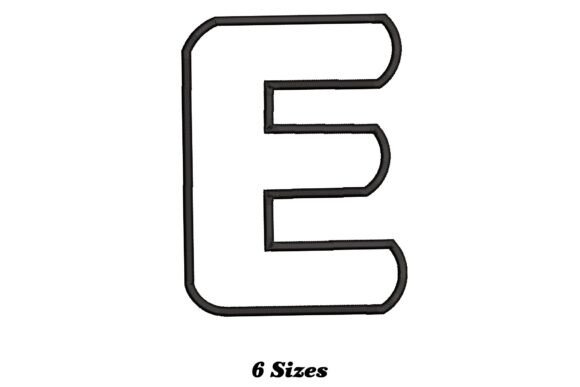
In the context of machine embroidery, the Alphabet Letter E is more than just a typographic symbol; it is a complex arrangement of stitches designed to replicate the shape while maintaining structural integrity. Unlike printed text, embroidered letters rely on thread density, stitch direction, and underlay techniques to create a raised, textured appearance. The letter E, with its three horizontal bars and one vertical spine, presents a specific geometric challenge. It requires precise spacing between the bars to prevent thread bunching, which can occur if the design is too dense for the fabric weight.
When researching an Alphabet Letter E, users are often looking for a design that balances legibility with artistic flair. A well-constructed file will include appropriate pull compensation and stitch angles to ensure the letter stands upright without distorting the surrounding material. Understanding these technical nuances is crucial for anyone moving from simple t-shirt decoration to more complex home decor applications.
Reasons to Consider This Design Choice
There are several compelling reasons why a crafter might select an Alphabet Letter E for their next project. Primarily, it offers a high degree of personalization. In a market saturated with mass-produced goods, adding a custom initial allows individuals to mark ownership or celebrate identity. For example, placing an embroidered E on a set of kitchen towels instantly elevates them from generic household items to curated home decor.
Furthermore, the versatility of the letter E makes it suitable for a wide range of applications. It fits naturally into name tags, school uniforms, team jerseys, and baby blankets. The whimsical nature of many modern designs allows the letter to serve as a standalone motif or as part of a larger composition. For those using multiple embroidery machines, having a design available in various file formats ensures compatibility across different brands, reducing the friction of workflow setup.
Key Benefits of Machine Embroidery
- Durability: Embroidered text generally withstands washing and wear better than screen printing or heat transfers.
- Texture and Depth: The physical presence of thread adds a tactile dimension that flat prints cannot achieve.
- Customization: Users can easily adjust colors to match specific brand palettes or interior design schemes.
- Professional Finish: High-quality digitizing results in a polished look that signals attention to detail.
Evaluating Tradeoffs and Considerations
While the benefits are clear, there are tradeoffs associated with using a specific Alphabet Letter E design. One primary consideration is the size limitation. Because the letter E has distinct internal spaces (the gaps between the bars), shrinking the design too much can cause the machine to struggle with tight turns, potentially leading to thread breakage or misalignment. Conversely, enlarging the design significantly may require re-digitizing to maintain proper stitch density; simply scaling a small file up can result in long, unsightly jumps between stitches.
Fabric choice is another critical factor. An Alphabet Letter E that looks perfect on a heavy canvas tote bag may sink into a delicate silk blouse or pucker a thin cotton t-shirt if the stabilizer and tension are not adjusted correctly. The complexity of the design also dictates the time required for production. Intricate fonts with serifs or decorative flourishes take longer to embroider than block sans-serif styles, impacting throughput for those producing items in bulk.
Situations Where the Design Excels
The Alphabet Letter E is a strong fit for projects where durability and texture are priorities. It is particularly effective on medium-to-heavyweight fabrics such as denim jackets, fleece hoodies, and linen tablecloths. These materials provide a stable base that supports the weight of the thread without distorting. Additionally, this design excels in scenarios requiring a "handmade" or artisanal feel, such as boutique gifts or wedding favors.
It is also an excellent choice for educational settings or youth organizations where initials are used for identification. The clarity of a well-executed letter E ensures that names remain readable even after repeated laundering. For home decor enthusiasts, the design works beautifully on throw pillows and bath mats, adding a cohesive touch to a room's theme when matched with coordinating colors.
When Alternatives May Be Worth Considering
Despite its strengths, the Alphabet Letter E is not always the optimal solution. If the project involves extremely fine details on very lightweight or stretchy fabrics, alternative methods like vinyl cutting or direct-to-garment printing might yield cleaner results with less risk of puckering. Similarly, if the goal is to produce thousands of identical items quickly, screen printing may offer a more cost-effective and faster turnaround time compared to the slower process of machine embroidery.
Furthermore, if the desired aesthetic is a distressed or vintage look, embroidery might be too crisp and structured. In cases where the budget is extremely tight, the cost of purchasing high-quality digitized files and the necessary stabilizers may outweigh the perceived value of the finished product. Evaluating these constraints helps determine whether embroidery is the right tool for the specific job.
Practical Decision-Making Insights
To determine if an Alphabet Letter E design aligns with your needs, start by assessing your equipment and materials. Ensure your embroidery machine can handle the hoop size required for the design and that you have access to the necessary file formats (such as .PES, .DST, or .JEF). If you are new to embroidery, consider testing the design on a scrap piece of the same fabric first. This "test run" reveals potential issues with tension, registration, and backing before committing to the final item.
Consider the longevity of the project. If the item will undergo frequent industrial washing, prioritize a design with robust underlay and fewer jump stitches. Finally, think about the scalability of your project. If you plan to expand from single items to small batches, investing in a high-quality, multi-format file ensures flexibility as your needs grow. By weighing these factors objectively, you can make an informed decision that enhances your crafting outcomes without unnecessary complications.
Ultimately, the choice to spruce up fabrics with an Alphabet Letter E depends on balancing creative vision with technical reality. When selected and executed correctly, this design brings a timeless, personalized charm to any textile project, proving that even a single letter can make a significant impact.