Alphabet Letter B: A Comprehensive Guide to Evaluating Embroidery Designs for Fabric Projects
The letter B occupies a unique space in the alphabet, characterized by its symmetrical curves and vertical stability. In the realm of textile arts, specifically machine embroidery, an Alphabet Letter B design serves as more than just a character; it is a foundational element for monograms, initials, and decorative accents. When considering how to spruce up fabrics with this charming embroidery design, it is essential to move beyond simple aesthetics and evaluate the technical execution, file compatibility, and stylistic versatility that define a high-quality pattern. Whether the goal is personalizing t-shirts, adding a whimsical touch to towels, or enhancing home decor, understanding the nuances of this specific design allows for better project outcomes.
The Distinctive Characteristics of Alphabet Letter B in Textile Design
Unlike angular letters such as A or M, which rely on sharp intersections, the Alphabet Letter B is defined by its continuous flow and rounded geometry. This structural difference presents specific challenges and opportunities for embroiderers. The two loops of the letter require precise stitch density to prevent puckering while maintaining clarity at various sizes. A well-executed design balances the upper and lower lobes, ensuring they are visually proportional regardless of the font style chosen.
When evaluating an Alphabet Letter B design, one must consider the stitch direction and underlay patterns. Because the letter curves inward, the thread tension must be managed carefully to avoid gaps in the fill stitches. High-quality designs often incorporate specialized underlays that stabilize the fabric before the top stitching begins, which is particularly important when working with stretchy materials like jersey knit for t-shirts or absorbent cotton for towels. The distinct nature of the letter also means that it pairs exceptionally well with other curvilinear motifs, making it a versatile choice for creating cohesive, whimsical compositions.
Comparing Font Styles and Structural Approaches
Not all representations of the letter B are created equal. The market offers a wide range of styles, from blocky sans-serif fonts to elaborate script variations. Each approach carries different tradeoffs regarding durability, readability, and aesthetic impact.
- Sans-Serif Block Styles: These are generally the most robust options for small-scale applications. They use fewer stitches and are less prone to distortion on textured fabrics. However, they may lack the "charming" or "whimsical" quality desired for certain home decor projects.
- Script and Cursive Variations: These designs offer a fluid, elegant look that can elevate a simple towel or pillowcase. The tradeoff is complexity; script Bs often require higher stitch counts and more precise hooping to maintain legibility.
- Decorative and Whimsical Fonts: Incorporating elements like vines, dots, or 3D effects, these designs maximize personality but demand high-quality stabilizers and premium threads to avoid thread breaks or messy edges.
When choosing between these alternatives, the intended use case is the primary decision factor. A block style might be superior for a durable work uniform, whereas a whimsical script is better suited for a child's nursery decor or a personalized gift item.
Evaluating File Formats and Machine Compatibility
A critical aspect of purchasing or selecting an Alphabet Letter B design is the availability of multiple embroidery file formats. Unlike digital printing, where a single file type often suffices, machine embroidery requires specific data structures that vary by brand and model. A professional-grade design resource will typically include formats such as .PES, .DST, .JEF, .EXP, and .VP3, among others.
The presence of these multiple formats significantly expands the utility of the design. For instance, a user with a Brother machine needs .PES files, while a Bernina user requires .JEF. If a design is only available in one format, it limits the potential audience and forces users to rely on third-party conversion software, which can introduce errors in stitch count or jump lines. Therefore, the value of an Alphabet Letter B design is directly correlated with its format inclusivity.
Understanding Tradeoffs in Conversion vs. Native Files
While conversion tools exist, they are not without limitations. Converting a file can alter the stitch sequence, potentially leading to color changes occurring at awkward points or increased thread trimming. Using a native file format ensures that the design performs exactly as the designer intended, preserving the integrity of the loops and curves inherent to the letter B. For serious hobbyists and professionals, investing in designs that come pre-loaded with multiple native formats is a strategic decision that saves time and reduces material waste.
Furthermore, different machines have varying capabilities regarding maximum hoop size and stitch speed. A large, intricate Alphabet Letter B might fit perfectly in a 10x10 inch hoop but cause issues on a smaller 4x4 inch machine unless the design includes scaled-down versions. Evaluating whether a design package includes multiple size variations is another key factor in determining its overall suitability for diverse projects.
Best-Fit Situations for Personalized Fabrics
The versatility of the Alphabet Letter B makes it applicable across a broad spectrum of textile items. However, success depends on matching the design's characteristics with the fabric's properties.
T-Shirts and Apparel: For clothing, breathability and flexibility are paramount. A dense, heavy fill stitch on a thin cotton tee can result in stiffness and discomfort. In this context, a lighter-weight Alphabet Letter B design with openwork or satin stitch outlines is often the superior choice. It provides the visual impact of a monogram without compromising the garment's drape.
Towels and Bath Linens: Towels present a unique challenge due to their looped pile texture. Embroidering directly into the loops can cause snagging if the design is too tight. Here, a design with a strong underlay and slightly larger stitch spacing works best. The whimsical nature of a stylized B adds a playful element to bathroom decor, transforming a standard towel into a personalized statement piece.
Home Decor Items: Pillows, table runners, and wall hangings allow for greater creative freedom. Since these items are not subject to the same wear and tear as clothing, more complex and detailed versions of the Alphabet Letter B can be utilized. This is an ideal category for experimenting with color gradients, metallic threads, or multi-layered effects that bring out the charm of the design.
Decision Factors for Material Selection
Before committing to a project, consider the following factors to ensure the design fits the material:
- Fabric Weight: Heavier fabrics like denim or canvas can support denser designs, while light linens require delicate patterns.
- Stretch Factor: Knits require stabilization and designs that accommodate movement without distorting the letter shape.
- Texture: Highly textured surfaces may obscure fine details, necessitating bolder, simpler versions of the letter B.
- Usage Frequency: Items that will be washed frequently should utilize designs with fewer loose ends and secure locking stitches.
When to Choose Alternatives to Standard Alphabet Sets
While an Alphabet Letter B is a staple, there are scenarios where a standalone letter might not be the optimal solution. For example, if the project involves a long name or phrase, using individual letter files can lead to spacing inconsistencies. In such cases, a custom word or sentence design might offer better kerning and flow.
Additionally, if the aesthetic goal is abstract rather than literal, a graphic motif that incorporates the shape of a B without being a recognizable letter could be more effective. Some designers create seamless patterns where the letter forms part of a larger geometric or floral arrangement. These alternatives provide a subtler approach to personalization, suitable for backgrounds or all-over prints where a distinct initial might feel too dominant.
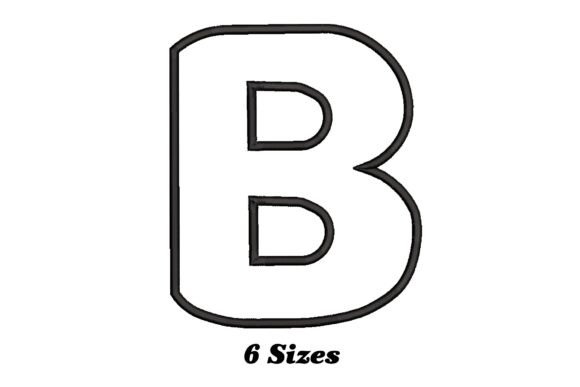
It is also worth noting that for very small applications, such as cufflinks or tiny patches, even the smallest scalable version of an Alphabet Letter B might lose definition. In these instances, simplifying the design to a basic outline or opting for a different form of identification, such as a logo or symbol, may yield better results.
Maximizing Value Through Strategic Implementation
To get the most out of an Alphabet Letter B embroidery design, careful planning is required. Start by testing the design on a scrap piece of the actual fabric intended for the final project. This step reveals potential issues with thread tension, stabilizer choice, and needle type before valuable materials are used.
Investing in a design that offers multiple file formats and clear documentation is a long-term asset. It future-proofs your collection against changing technology and allows for experimentation across different machines. By understanding the strengths and limitations of the letter B in an embroidery context, creators can make informed decisions that enhance the quality and longevity of their textile projects. Whether the aim is a quick personalization or a sophisticated home decor update, the right design choice transforms a simple fabric item into a cherished, personalized object.