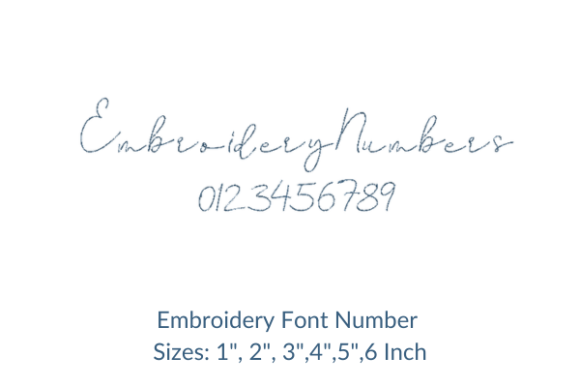
Dealoras Font Numbers: A Practical Guide to Personalized Embroidery
Personalizing fabric with names, dates, or meaningful quotes transforms a simple garment into a cherished keepsake. For many creators, the Dealoras Font Numbers design offers an elegant solution to this need. This high-quality embroidery font is specifically crafted to add a touch of sophistication to any project, whether you are stitching a wedding guest book cover, branding a small business logo on tote bags, or creating custom gifts for family members. However, simply downloading a font file does not guarantee a flawless result. The difference between a professional finish and a frustrating mess often lies in how you prepare, test, and apply these designs.
Understanding the Value of Dealoras Font Numbers
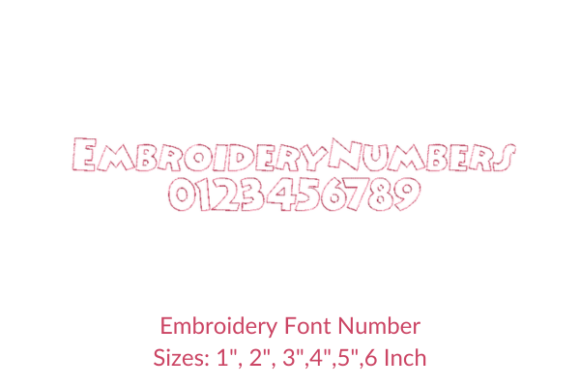
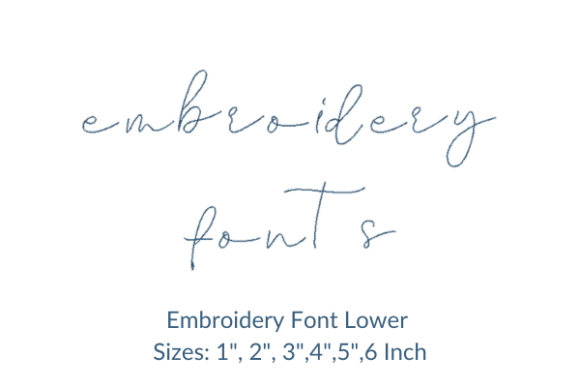
The appeal of Dealoras Font Numbers lies in its versatility and aesthetic clarity. Unlike generic system fonts that may look blocky or uneven when stitched, this embroidery design features carefully balanced strokes and spacing optimized for thread tension and fabric movement. It is designed to be legible even at smaller sizes, making it ideal for monograms, date stamps on quilts, or subtle branding on apparel.
When you purchase this machine embroidery design, you are acquiring a digital toolkit that includes multiple file formats. These formats ensure compatibility with a wide range of embroidery machines, from home hobbyists using consumer-grade devices to professionals operating industrial hoops. The ability to switch between formats like .PES, .DST, .JEF, or .EXP means you can integrate this font into your existing workflow without needing expensive software conversions.
Common Pitfalls When Using Custom Embroidery Fonts
Despite the quality of the design itself, many users encounter issues that stem from misunderstandings about how digitized text behaves on fabric. One of the most frequent mistakes is assuming that a font will look exactly the same on screen as it does in thread. On a monitor, lines are crisp and uniform; in reality, thread has thickness, texture, and tension. If you ignore this physical reality, your final product may suffer from gaps, overlapping stitches, or distorted characters.
Another overlooked detail is the relationship between font size and fabric type. Beginners often try to stitch Dealoras Font Numbers at a very small scale on thick materials like denim or canvas. This leads to "thread buildup," where too much thread accumulates in a small area, causing the fabric to pucker or the stitches to break. Conversely, using a large size on delicate fabrics like chiffon can cause the weight of the thread to stretch the material out of shape permanently.
There is also a common misconception regarding file formats. Users sometimes download a version of the font in a format their machine cannot read, leading to wasted time and frustration. While the package includes multiple formats, failing to verify which specific extension your machine requires before starting the project can halt production immediately.
How These Mistakes Impact Your Results
Ignoring these nuances affects more than just the visual appearance. Poor sizing choices can ruin the structural integrity of the fabric, rendering a garment unwearable. Incorrect stabilizer use, often paired with bad font placement, results in a stiff, uncomfortable patch rather than a seamless integration of text. For entrepreneurs and small business owners, these errors translate directly into lost revenue, returned products, and damaged reputations. Inefficient workflows caused by incompatible files waste valuable machine time, increasing the cost per unit for your custom orders.
Practical Strategies for Success
To avoid these common traps, adopt a methodical approach before committing to your final fabric. The first step is always a test run. Use a scrap piece of the exact fabric you intend to embroider, along with the same stabilizer you plan to use. Stitch out a sample of the Dealoras Font Numbers at your intended size. Examine the back of the stitching for loose threads and the front for clarity. This simple step saves hours of rework and prevents wasting premium materials.
Pay close attention to the density of the design. If you notice the stitches are too tight, consider adjusting the stitch length or reducing the number of fill passes if your software allows. If the letters appear thin or have gaps, you may need to increase the density slightly or choose a slightly larger font size. Remember that Dealoras Font Numbers is designed to balance elegance with durability, but your specific machine settings must align with that design intent.
Choosing the Right Stabilizer
The foundation of any successful embroidery project is the stabilizer. Without adequate support, even the best font design will fail. For lightweight fabrics, a tear-away or cut-away stabilizer is essential to prevent puckering. For heavier items like towels or jackets, a medium-weight cut-away provides the necessary stability without adding bulk. Do not skip this step; the stabilizer acts as the canvas upon which the Dealoras Font Numbers rests, ensuring the stitches lie flat and even.
Evaluating Compatibility and File Formats
Before purchasing or downloading, take a moment to check your machine's specifications. Identify the primary file format your device accepts. While the Dealoras Font Numbers package comes with multiple options, having the correct one ready ensures a smooth transfer process. If you are working with older machines, verify that the digitization style is compatible with their capabilities. Some older models struggle with complex underlay stitches found in modern designs, so checking the stitch count and complexity beforehand is a wise precaution.
If you are a professional managing multiple machines, ensure you have the appropriate software to convert files if necessary. Having a library of correctly formatted files speeds up your production line significantly. Always keep a backup of the original files in a dedicated folder to prevent accidental corruption during editing.
Best Practices for Long-Term Satisfaction
Ultimately, the goal of using Dealoras Font Numbers is to create lasting, beautiful designs that meet your expectations. By treating the font as a tool that requires preparation rather than a magic button, you elevate the quality of your work. Take the time to understand the interplay between thread, fabric, stabilizer, and machine settings. Test your designs rigorously. Verify your file formats. When you approach the process with these practical checks in place, you minimize errors and maximize satisfaction.
Whether you are a hobbyist stitching a baby blanket or a business owner fulfilling a corporate order, the attention to detail makes all the difference. With the right preparation, Dealoras Font Numbers becomes a reliable asset in your creative arsenal, allowing you to personalize your designs with confidence and precision. Embrace the learning curve, respect the mechanics of embroidery, and enjoy the rewarding results of well-executed personalized art.