Flower Alphabet Letter F: A Practical Guide to Embroidery Integration
The intersection of typography and botanical illustration creates a unique niche in textile design, nowhere more evident than in the Flower Alphabet Letter F. This specific machine embroidery design is not merely a decorative asset; it is a functional component for creators looking to elevate standard fabrics into personalized products. Whether you are a small business owner scaling a custom apparel line or a hobbyist enhancing home decor, understanding how to integrate this design into your workflow is essential for consistent, high-quality outcomes. The charm of the letter "F" rendered through floral motifs offers a whimsical touch that resonates with current market trends favoring organic, nature-inspired aesthetics.
Defining the Asset and Its Role in Production
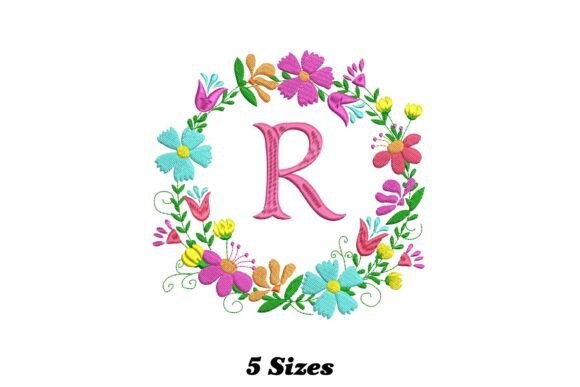
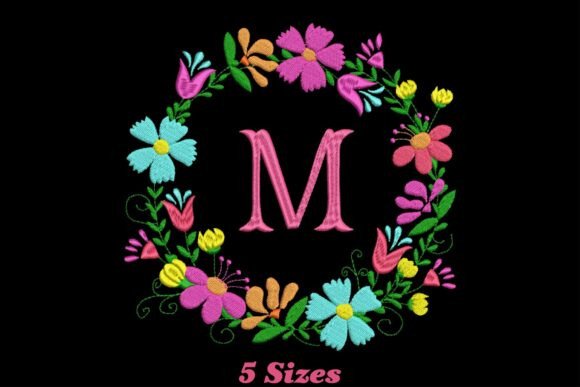
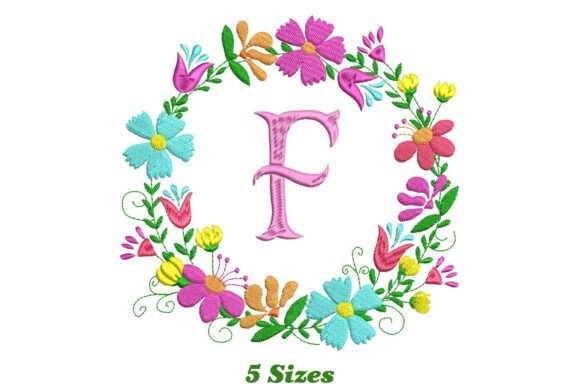
At its core, the Flower Alphabet Letter F is a digitized pattern where the strokes of the letter are constructed from petals, leaves, and stems. Unlike standard font-based embroidery which relies on solid fills or simple satin stitches, this design utilizes complex underlays and varied stitch directions to mimic the texture of actual flowers. In a broader production process, this asset fits into the "design selection" phase, occurring after concept development but before fabric preparation.
For professionals managing multiple projects, distinguishing between a standard monogram and a floral alphabet piece is crucial for planning. The Flower Alphabet Letter F typically requires a larger hoop size and potentially more thread changes than a block-letter equivalent. Recognizing these requirements early prevents bottlenecks during the execution phase. When incorporated into a project plan, this design serves as a focal point that dictates the placement strategy, color palette, and even the choice of stabilizer needed for the final product.
Workflow Integration Before Execution
Successful implementation begins long before the needle touches the fabric. The pre-production phase for using the Flower Alphabet Letter F involves rigorous compatibility checks and resource organization. Since this design comes with multiple file formats—such as .PES, .DST, .JEF, and .EXP—it is vital to verify which format aligns with your specific embroidery machine ecosystem. Attempting to run an incompatible file can lead to registration errors, skipped stitches, or wasted material.
During the planning stage, creators should evaluate the intended substrate. Applying a floral letter to a heavy canvas tote bag presents different challenges than embroidering it onto a delicate cotton t-shirt. The density of the floral elements in the Flower Alphabet Letter F means that heavier fabrics may require less aggressive tearing of the stabilizer, while knits will need a cutaway stabilizer to prevent puckering around the intricate petal details. By addressing these variables upfront, you streamline the transition from digital file to physical creation.
Execution Strategies During the Process
Once the setup is complete, the execution phase focuses on precision and consistency. The Flower Alphabet Letter F often features fine details that demand accurate hooping. If the fabric is not taut, the delicate stems forming the letter structure may distort, ruining the legibility of the character. Professionals often use a "test run" on a scrap piece of similar fabric to adjust tension settings specific to the floral stitch count.
Color management is another critical aspect of the workflow. Because the design mimics natural flora, using variegated threads or carefully selected solid colors can significantly impact the visual outcome. For instance, using a gradient of greens for the leaves and soft pastels for the petals within the letter "F" can create depth that flat colors cannot achieve. Marketers and designers should consider how these color choices interact with the base fabric color to ensure the design pops without overwhelming the garment. This attention to detail during stitching ensures that the final product meets quality control standards before it moves to packaging or delivery.
Post-Production Applications and Business Use Cases
After the embroidery is complete, the Flower Alphabet Letter F becomes a versatile asset for various applications. Its whimsical nature makes it particularly effective for personalization projects, such as initialing towels, creating custom nursery decor, or branding eco-friendly merchandise. For entrepreneurs, this design offers a way to differentiate their inventory in a saturated market. A towel set featuring a floral "F" feels more artisanal and thoughtful than one with a generic print, justifying a higher price point.
In a business context, integrating this design into a catalog of available options allows for efficient order processing. Clients can select their preferred initial from the Flower Alphabet series, knowing the production time and cost implications remain consistent across the set. This standardization helps in forecasting material needs and labor hours. Furthermore, the design's appeal extends beyond single items; it can be used to create matching sets, such as a family name banner where each letter is styled identically, ensuring brand or aesthetic consistency across a collection.
Compatibility and Technical Considerations
Technical interoperability is a key factor when adopting the Flower Alphabet Letter F into a mixed-machine environment. Many modern embroidery machines support universal formats like .PES (Brother) or .DST (Tajima), but legacy systems may require specific conversion. The inclusion of multiple file formats in the design package mitigates this risk, allowing teams to distribute the same asset across different workstations without needing expensive third-party conversion software. However, users must still validate the stitch count against their machine's memory limits. Complex floral designs can sometimes exceed the capacity of smaller domestic machines, necessitating a split-stitch approach or the use of external USB drives if supported.
Usability also extends to the ease of editing. While the design is ready-to-use, some workflows may require resizing. It is important to note that scaling floral embroidery too small can cause thread bunching, obscuring the flower details. Conversely, scaling too large may result in gaps in the satin stitches that form the petals. Adhering to the recommended size range provided by the designer ensures the structural integrity of the letter remains intact, preserving the legibility and aesthetic appeal of the Flower Alphabet Letter F.
Long-Term Value and Quality Control
From a long-term perspective, investing in high-quality digitized designs like this one contributes to the durability of the finished product. Poorly executed floral patterns tend to fray or pull out over repeated washes, especially on items like t-shirts and towels that undergo frequent laundering. The Flower Alphabet Letter F, when properly stabilized and stitched, maintains its shape and color vibrancy, reducing return rates and customer complaints for business owners. This reliability builds trust with clients who expect professional-grade results.
Organizing these assets within a digital library is also beneficial for future efficiency. Tagging the design with relevant keywords such as "botanical," "initial," "floral," and "Letter F" allows for quick retrieval when new projects arise. For educators teaching embroidery classes, having a structured library of such designs facilitates lesson planning, allowing students to practice specific techniques like underlay stitching and color changing within a cohesive theme. This systematic approach to asset management transforms a single design into a recurring tool for creativity and productivity.
Optimizing Your Creative Routine
Integrating the Flower Alphabet Letter F into your routine requires a balance of technical knowledge and creative vision. It is not enough to simply download and stitch; the true value lies in how the design enhances the overall narrative of the item. Whether you are creating a bespoke gift or launching a new product line, this design offers a bridge between functional text and artistic expression. By focusing on preparation, precise execution, and strategic application, you can maximize the impact of this charming embroidery asset. The result is a collection of items that not only look beautiful but also demonstrate a mastery of the embroidery process, setting a standard of excellence in your work.