Hey 2nd Grade: Infusing Whimsy into Textiles with Playful Embroidery
In the evolving landscape of textile customization, there is a distinct shift away from rigid minimalism toward designs that evoke nostalgia, joy, and personality. One such design that has captured the imagination of both hobbyists and professional decorators is the "Hey 2nd Grade" embroidery pattern. This specific motif represents more than just a phrase; it serves as a gateway to adding a layer of charm and storytelling to everyday fabrics. Whether you are a small business owner looking to differentiate your product line or an educator seeking to create engaging classroom materials, understanding the versatility and application of this playful design can significantly enhance your creative output.
The Aesthetic Appeal of School-Themed Typography
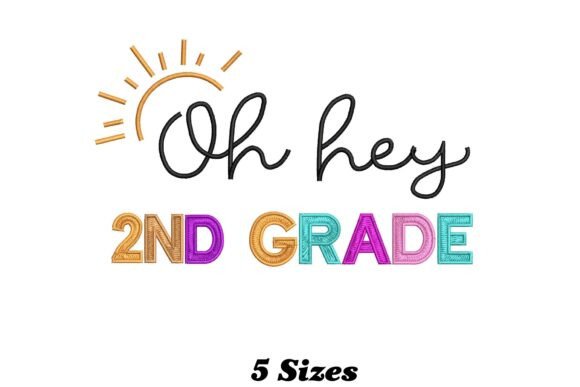
The visual language of "Hey 2nd Grade" relies heavily on the intersection of typography and whimsical illustration. Unlike standard text-based embroidery which can often feel sterile, this design incorporates curves, varying font weights, and often accompanying graphic elements like pencils, stars, or open books. The charm lies in its ability to instantly communicate a sense of community and excitement associated with early education milestones.
For creators working in the home decor sector, this aesthetic offers a unique opportunity to bridge the gap between functional items and sentimental keepsakes. When stitched onto a pillowcase or a throw blanket, the design transforms a generic object into a personalized gift that celebrates a child's academic journey. The use of bright, contrasting thread colors typically recommended for this pattern further amplifies its visibility and appeal, making it a standout piece in any room. The design does not merely sit on the fabric; it interacts with the texture of the material, creating a tactile experience that digital prints cannot replicate.
Color Theory and Thread Selection
A critical component of successfully executing the "Hey 2nd Grade" design is the strategic selection of thread colors. While the design file provides a base structure, the final impact depends on the harmony between the background fabric and the chosen threads. For school-themed projects, primary colors like red, blue, and yellow are traditional choices, but modern interpretations often incorporate pastels or metallic accents to add depth.
When working with t-shirts, which are often made of cotton blends, it is advisable to use polyester threads for their sheen and durability. These threads reflect light differently than matte rayon, giving the letters a pop that stands out against the fabric grain. Conversely, for home decor items like towels or table runners, where softness is paramount, high-quality cotton threads may be preferred to maintain the fabric's natural hand-feel. Understanding these nuances allows the embroiderer to tailor the "Hey 2nd Grade" look to the specific needs of the project, ensuring longevity and aesthetic consistency.
Practical Applications Across Diverse Industries
The utility of the "Hey 2nd Grade" machine embroidery design extends far beyond simple novelty gifts. Its adaptability makes it a valuable asset for various industries, ranging from retail apparel to educational institutions. By integrating this design into different workflows, businesses and individuals can create cohesive branding or meaningful personal touches.
Custom Apparel and Uniforms
In the realm of custom apparel, this design is particularly effective for creating spirit wear or class-specific uniforms. Schools often seek ways to foster a sense of belonging among students, and embroidered patches or direct stitching on t-shirts provide a durable solution compared to screen printing. The "Hey 2nd Grade" motif can be scaled down for hat brims or enlarged for the back of hoodies, offering flexibility in placement. For parents purchasing these items, the added value of machine embroidery signals quality and care, distinguishing handmade or small-batch items from mass-produced alternatives.
Educational Environments and Classroom Decor
Educators are increasingly turning to customized textiles to create welcoming learning environments. Embroidered banners, name tags, and cushion covers featuring the "Hey 2nd Grade" slogan can help establish a positive classroom culture. Unlike paper posters that fade or tear, embroidered items withstand the rigors of daily use in a busy classroom. Furthermore, these items can serve as visual anchors for reading corners or group work areas, subtly reinforcing the theme of literacy and learning throughout the day. The durability of the stitch ensures that these decorative elements remain vibrant year after year, providing a cost-effective solution for schools with limited budgets.
Home Goods and Gift Markets
The home goods market has seen a surge in demand for personalized items that tell a story. Towels, aprons, and tote bags adorned with the "Hey 2nd Grade" design make excellent gifts for graduations, back-to-school parties, or birthdays. The tactile nature of embroidery adds a premium feel to these items, allowing artisans to command higher price points in competitive markets. For the DIY enthusiast, applying this design to existing household items offers a low-cost way to refresh decor without purchasing new furniture or accessories. The process of transforming a plain white towel into a celebratory piece through embroidery demonstrates the transformative power of this craft.
Technical Considerations for Machine Embroidery
While the concept of using the "Hey 2nd Grade" design is straightforward, successful execution requires attention to technical details. The availability of multiple embroidery file formats is a significant advantage, ensuring compatibility with a wide range of machines. However, understanding how to prepare the design for specific fabrics is essential to avoid common pitfalls such as puckering, thread breakage, or registration errors.
File Formats and Machine Compatibility
Modern embroidery machines utilize various proprietary file formats, including .PES, .DST, .JEF, and .EXP. The "Hey 2nd Grade" design package typically includes these formats, eliminating the need for complex conversion software. This accessibility lowers the barrier to entry for beginners who may own older models or specific brand machines. Professionals, on the other hand, appreciate the ability to import the design directly into their workflow, saving time on setup. It is crucial, however, to verify the hoop size requirements specified in the design documentation. Attempting to stitch a large version of the design in a small hoop can lead to distortion and poor stitch definition.
Fabric Stabilization and Hooping Techniques
The choice of stabilizer is perhaps the most critical factor in achieving a crisp finish. For stretchy fabrics like t-shirt knits, a cut-away stabilizer is generally recommended to prevent the stitches from pulling the fabric out of shape over time. In contrast, woven fabrics used for home decor, such as linen or canvas, often benefit from tear-away stabilizers that leave no residue behind. Proper hooping technique involves ensuring the fabric is drum-tight within the frame before stitching begins. If the fabric is too loose, the needle may cause the material to shift, resulting in misaligned letters or uneven spacing in the "Hey 2nd Grade" text.
Density and Stitch Count Management
Each embroidery design has a specific stitch count that dictates the time required to complete the project and the density of the coverage. High-density areas in the "Hey 2nd Grade" design, such as the fill patterns within letters or decorative icons, require careful monitoring of tension settings. If the tension is too tight, the fabric may pucker around the dense stitching; if too loose, the backing may show through. Testing the design on a scrap piece of the same fabric intended for the final project is a best practice that can save materials and frustration. Adjusting the speed of the machine can also improve the quality of the stitch, particularly when navigating sharp turns in the lettering.
Strategic Implementation for Creators and Business Owners
For those looking to monetize the use of the "Hey 2nd Grade" design, strategic implementation is key to standing out in a crowded marketplace. The design's inherent charm appeals to a broad demographic, but targeting specific niches can maximize its potential. Businesses should consider the seasonal nature of the product, focusing marketing efforts during the summer months when parents and teachers are preparing for the upcoming school year.
Creating bundles that combine the embroidery design with complementary products, such as matching stickers or packaging, can enhance the perceived value of the offering. Additionally, showcasing the versatility of the design through high-quality photography on social media platforms can drive engagement and sales. Demonstrating the design on various textures—from soft fleece to sturdy denim—helps potential customers visualize the possibilities. Transparency regarding the file formats included and the ease of use can also build trust with tech-savvy consumers who value convenience.
Furthermore, collaborating with educators or parenting influencers can provide authentic testimonials that highlight the emotional resonance of the design. When a teacher shares a photo of a classroom transformed by embroidered banners, it validates the practical utility of the product. Similarly, a parent posting about a personalized gift for their second grader taps into the powerful dynamics of word-of-mouth marketing. By aligning the "Hey 2nd Grade" design with real-world stories and applications, creators can build a loyal customer base that values both the aesthetic and the sentiment behind the craft.
Future Trends in Personalized Textile Design
As technology advances, the world of machine embroidery continues to evolve. The popularity of designs like "Hey 2nd Grade" reflects a broader trend toward hyper-personalization and the desire for tangible connections in a digital age. Future iterations of such designs may incorporate smart textiles or interactive elements, though the core appeal will likely remain rooted in the human touch of handcrafted (or machine-stitched) artistry.
The integration of augmented reality (AR) could allow users to scan embroidered items and see animated versions of the "Hey 2nd Grade" characters come to life, bridging the gap between physical and digital experiences. However, regardless of technological advancements, the fundamental principles of good design—clarity, color harmony, and relevance—will remain constant. The enduring success of this particular motif suggests that there will always be a place for designs that celebrate life's milestones with warmth and creativity.
Ultimately, the "Hey 2nd Grade" embroidery design serves as a testament to the power of small details in making a big impact. Whether used to decorate a child's bedroom, unify a classroom, or launch a new product line, its ability to bring a bit of charm to fabrics ensures its continued relevance. By mastering the technical aspects of its application and understanding its diverse use cases, creators can harness this playful design to bring joy and personality to the world of textiles.