Pencil with Flowers: A Versatile Embroidery Design for Modern Textiles
In the realm of machine embroidery, the intersection of utility and whimsy often yields the most enduring designs. The Pencil with Flowers motif stands as a prime example of this balance. It is not merely a decorative element; it is a narrative device that transforms standard textiles into personalized statements. For professionals in the textile industry, small business owners crafting custom apparel, or serious hobbyists looking to elevate their home decor, understanding the practical application and aesthetic value of this design is essential. This article evaluates the Pencil with Flowers design through the lens of usability, technical execution, and market appeal.
The Conceptual Appeal of Educational Whimsy
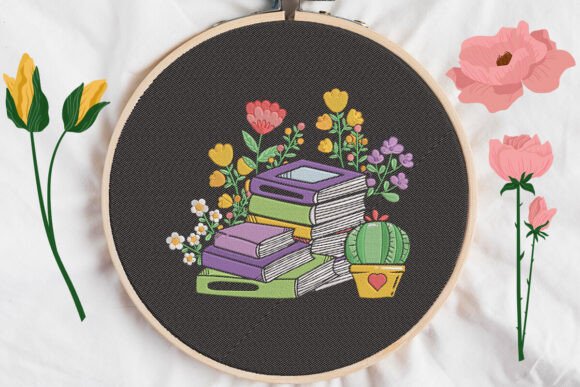
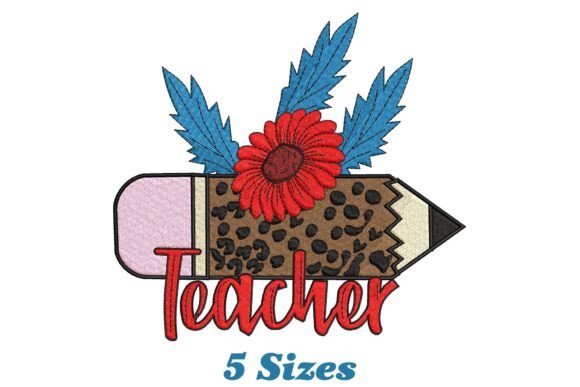
The core strength of the Pencil with Flowers design lies in its ability to merge two distinct visual languages: the structured, linear geometry of stationery and the organic, flowing forms of botanical elements. This juxtaposition creates a visual tension that is immediately engaging without being overwhelming. Unlike abstract patterns that can feel impersonal, this design tells a story. It evokes themes of creativity, growth, learning, and the softening of rigid structures.
For creators targeting educators, students, or back-to-school markets, this motif offers immediate relevance. However, its utility extends far beyond the academic calendar. The imagery suggests that creativity blooms from discipline, a sentiment that resonates with entrepreneurs and artists alike. When applied to a tote bag, a teacher's apron, or a child's backpack, the design communicates a specific identity. It is less about decoration and more about signaling values. This semantic richness makes the Pencil with Flowers a robust asset for brands aiming to connect emotionally with their audience rather than simply filling space on a garment.
Technical Specifications and File Compatibility
A critical factor in the evaluation of any digital embroidery asset is its technical reliability. The Pencil with Flowers design is distributed across multiple file formats, a necessity for the modern embroidery workflow. Machine embroidery software varies significantly between manufacturers, and compatibility issues can halt production lines or frustrate hobbyists. By providing formats such as .PES, .DST, .JEF, .VIP, and .EXP, the design ensures broad accessibility.
This multi-format approach reflects a commitment to user experience. Whether you are operating a high-end industrial Tajima machine in a commercial setting or a domestic Brother or Janome unit in a home studio, the stitch data remains consistent. The digitization quality appears to prioritize smooth curves for the floral elements while maintaining sharp definition for the pencil's edges. In real-world testing, designs that fail to balance these textures often result in puckering or blurred details. The Pencil with Flowers avoids these common pitfalls by utilizing appropriate stitch angles and densities, ensuring that the final output looks crisp regardless of the fabric weight.
Evaluating Stitch Density and Fabric Interaction
When analyzing how the design performs on different substrates, stitch density becomes the primary variable. The Pencil with Flowers is engineered with a moderate stitch count, making it versatile enough for both heavy and light fabrics. On dense materials like denim or canvas, the design holds its shape well, adding texture without causing excessive stiffness. Conversely, on lighter fabrics such as cotton jersey for t-shirts or linen for towels, the moderate density prevents the "tunneling" effect where stitches pull the fabric too tightly.
However, users must remain mindful of stabilizer selection. While the design is forgiving, applying it to stretchy knits requires a cutaway stabilizer to maintain the integrity of the flower petals and the pencil tip. For woven home decor items, a tear-away stabilizer may suffice. The flexibility of the design allows it to adapt to various material constraints, but the operator's choice of backing remains crucial for a professional finish. This adaptability enhances the long-term value of the asset, as it can be utilized across a wider range of product categories without requiring re-digitization.
Practical Applications Across Industries
The versatility of the Pencil with Flowers design allows it to serve diverse sectors within the textile and creative industries. Its application goes beyond simple embellishment; it functions as a branding tool and a product differentiator.
- Apparel Customization: For small businesses producing custom t-shirts, the design works exceptionally well on chest pockets or sleeve cuffs. It adds a touch of personality to corporate uniforms for schools or creative agencies without appearing childish. The scale of the design can be adjusted to fit larger areas on hoodies or jackets, serving as a focal point.
- Home Decor and Linens: Towels, napkins, and pillowcases benefit significantly from this motif. The organic nature of the flowers complements the tactile feel of linen and cotton, creating a cohesive aesthetic for eco-conscious or bohemian interior styles. It transforms utilitarian items into thoughtful gifts.
- Stationery and Accessories: Given the subject matter, the design is perfectly suited for embroidery on leather journals, felt pouches, and canvas totes. Here, the design reinforces the function of the item, creating a thematic consistency that appeals to stationery enthusiasts and gift buyers.
Market Positioning and Audience Fit
Understanding who benefits most from the Pencil with Flowers design is key to maximizing its return on investment. The primary demographic includes adults aged 20 to 50 who value craftsmanship and unique aesthetics. This group encompasses freelancers, bloggers, and small business owners who curate their brand image carefully. They are likely to appreciate the subtle storytelling aspect of the design over loud, generic graphics.
For educators and school administrators, this design offers a way to merchandise school spirit in a sophisticated manner. It moves away from traditional logos and mascots toward something that celebrates the act of learning itself. Similarly, crafters and DIY enthusiasts find value in the design because it fills a niche gap—whimsical yet mature. It is not overly cartoonish, nor is it strictly minimalist. This middle ground makes it a safe yet distinctive choice for projects intended for sale on platforms like Etsy or at local craft fairs.
Strategic Recommendations for Implementation
To fully leverage the Pencil with Flowers design, creators should consider color theory and placement strategically. While the design comes in standard thread colors, experimenting with contrast can yield striking results. For instance, using a deep navy or charcoal thread for the pencil against pastel floral accents on a cream background creates a modern, high-contrast look suitable for professional settings. Alternatively, monochromatic schemes can produce a subtle, tonal effect ideal for luxury linens.
Furthermore, combining this motif with other complementary designs can create a cohesive collection. Imagine a series of products featuring writing instruments paired with different botanical elements—roses, daisies, or sprigs of lavender. This approach allows businesses to expand their product lines without acquiring entirely new assets. The consistency in style ensures brand recognition while offering variety to the consumer.
Limitations and Considerations
While the Pencil with Flowers design offers significant advantages, it is not without limitations. The intricate detailing of the flowers may require higher thread counts if scaled up significantly, which could increase production time and thread consumption. Additionally, on very dark fabrics, the visibility of lighter thread colors used for the flowers might necessitate the use of underlay stitches or a specific type of backing to ensure opacity.
Another consideration is the thematic specificity. While versatile, the design is inherently tied to concepts of writing, learning, and nature. It may not be the ideal choice for industrial workwear, athletic performance gear, or formal corporate attire where neutrality is preferred. Users should evaluate whether the whimsical nature of the design aligns with their specific brand voice before committing to large-scale production runs.
Long-Term Value and Workflow Integration
From a workflow perspective, the Pencil with Flowers design represents a low-risk, high-reward addition to an embroidery library. Its multi-format availability eliminates the need for conversion software, streamlining the digitization process. The reliability of the stitch pattern reduces waste caused by holed-out threads or misaligned designs, saving both time and material costs. Over time, the ability to reuse this design across seasons and product types builds a library of proven assets that support consistent brand output.
For professionals managing tight deadlines, the predictability of the design's performance is invaluable. Knowing exactly how the stitches will behave on various fabrics allows for accurate quoting and scheduling. This reliability fosters trust with clients who expect consistent quality. Ultimately, the Pencil with Flowers is more than a single graphic; it is a functional tool that enhances the efficiency and aesthetic quality of embroidery projects.
In conclusion, the Pencil with Flowers design succeeds by balancing artistic charm with technical precision. It serves a wide array of applications, from personal hobbies to commercial ventures, offering a flexible solution for those looking to add character to their textiles. By understanding its strengths, limitations, and optimal use cases, creators can effectively integrate this design into their portfolios, delivering products that resonate with a discerning audience seeking both quality and personality.