Evaluating the Minnie Font Alphabet for Embroidery Projects
In the realm of textile customization, the choice of typography often dictates the success of a design as much as the imagery itself. The Minnie Font Alphabet has emerged as a significant resource for those seeking to add personalized text to fabric projects without compromising on stitch quality or aesthetic appeal. Unlike standard digital typefaces that translate poorly when converted to machine embroidery, this font is engineered specifically for the mechanical constraints and artistic possibilities of stitching. For professionals and serious hobbyists alike, understanding the technical merits and practical applications of this asset is essential for integrating it effectively into a production workflow.
Technical Foundation and Design Intent
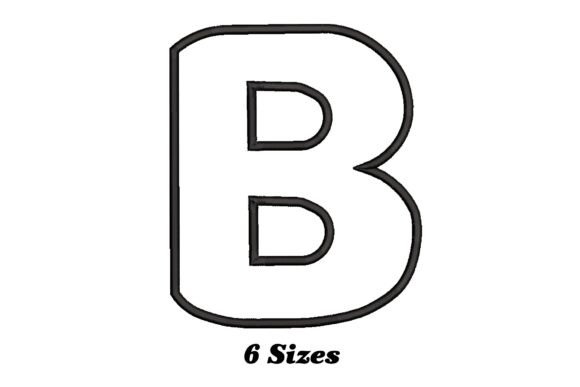
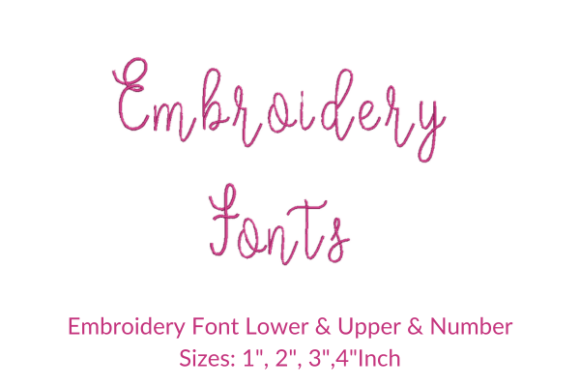
The primary value proposition of the Minnie Font Alphabet lies in its construction. Machine embroidery fonts differ fundamentally from screen fonts; they require specific attention to stitch density, pull compensation, and underlay structures to prevent distortion on flexible substrates. This particular alphabet demonstrates a high level of engineering, ensuring that characters maintain their legibility and structural integrity across various fabric types. The design intent is clear: to provide a versatile script or serif option—depending on the specific style variant selected—that bridges the gap between casual handwriting and formal typography.
When evaluating the font's architecture, one observes a careful balance between decorative flair and functional stability. Many embroidery fonts suffer from excessive detail that leads to thread breaks or puckering. The Minnie Font Alphabet avoids these pitfalls by utilizing optimized stitch paths. This optimization ensures that even intricate curves and sharp angles are rendered smoothly, reducing the need for post-stitching trimming or manual correction. For a business owner managing tight turnaround times, this reliability translates directly into reduced labor costs and higher consistency in finished products.
File Format Compatibility and Workflow Integration
A critical factor in the adoption of any digital embroidery asset is compatibility with existing hardware. The Minnie Font Alphabet package typically includes multiple file formats, such as .PES, .DST, .JEF, and .EXP. This multi-format approach is not merely a convenience but a necessity for diverse operational environments. Whether a user operates a Brother, Janome, Bernina, or Tajima machine, having native support eliminates the friction of third-party conversion software, which can sometimes introduce errors or alter stitch counts.
From a workflow perspective, the ability to import these files directly into embroidery software allows for immediate manipulation. Users can resize, rotate, and arrange characters to fit specific design parameters. The font's scalability is a notable strength; unlike bitmap images, vector-based embroidery fonts allow for resizing without losing definition. However, users must remain mindful of the physical limitations of their machines and the fabric being used. While the Minnie Font Alphabet is designed to scale well, extreme reductions in size may still result in stitches that are too dense for certain materials, requiring professional judgment during the setup phase.
Practical Applications in Textile Customization
The versatility of the Minnie Font Alphabet makes it suitable for a wide array of applications, ranging from small-scale personal gifts to large-scale commercial branding. Its primary use cases include monogramming, commemorative dates, and short quotes. The font's character set is robust enough to handle full sentences, making it ideal for creating personalized messages on apparel, home decor, and accessories.
- Apparel Branding: Small businesses can utilize this font to create custom patches or direct-to-garment embroidery for team uniforms, event merchandise, or limited-edition collections. The consistent stroke width ensures that logos and names look professional even on textured fabrics like denim or fleece.
- Home Decor and Linens: For interior designers and crafters, the font offers an elegant solution for labeling towels, pillowcases, and table linens. The aesthetic quality of the letters complements traditional and modern styles alike, adding a touch of sophistication to everyday items.
- Event Memorabilia: Weddings, corporate galas, and family reunions often require customized keepsakes. The Minnie Font Alphabet excels in these scenarios, allowing for the precise rendering of names and dates that serve as lasting mementos.
In real-world testing, the font performs particularly well on medium-weight fabrics where the stabilizer can adequately support the stitch density. On very thin silks or heavy canvas, adjustments to tension and backing may be required, but the underlying design of the font remains stable. This adaptability is crucial for freelancers who may encounter a variety of client requests and material specifications.
Assessing Quality and Long-Term Value
When considering the long-term value of the Minnie Font Alphabet, one must look beyond the initial purchase price to the frequency of use and the quality of output. High-quality embroidery fonts are investments that pay dividends over time through consistent results and client satisfaction. The Minnie Font Alphabet stands out because it minimizes the risk of production failures. A font that consistently produces clean edges and uniform spacing reduces waste and enhances the reputation of the creator.
Furthermore, the font's design encourages creativity without sacrificing professionalism. It provides a structured base upon which designers can build more complex compositions. For educators teaching embroidery techniques, this font serves as an excellent tool for demonstrating proper digitizing principles and stitch management. Its clarity makes it easy for students to understand how different letterforms interact with fabric grain and thread tension.
Target Audience and Strategic Fit
Who benefits most from incorporating the Minnie Font Alphabet into their toolkit? The answer spans several demographics within the creative and manufacturing sectors. Entrepreneurs running small embroidery businesses will find the font's efficiency and reliability particularly valuable. It streamlines the process of creating custom orders, allowing for quicker turnaround times without sacrificing quality.
Freelance designers and bloggers who focus on DIY content also stand to gain. The font offers a professional finish to tutorial projects, elevating the perceived value of the content. For marketers and brand managers looking to produce unique promotional items, the ability to personalize designs quickly is a significant advantage. The font supports the trend towards hyper-personalization, enabling brands to connect with consumers on a more individual level.
However, there are realistic limitations to consider. While the Minnie Font Alphabet is highly capable, it is not a universal solution for every design challenge. Extremely long text passages may require breaking up lines or adjusting spacing manually to ensure readability. Additionally, while the font works well with standard threads, using specialty threads like metallics or variegated yarns may require additional testing to achieve the desired effect. Users should always perform a test run on a scrap piece of the intended fabric before committing to a final production run.
Conclusion on Utility and Performance
The Minnie Font Alphabet represents a mature and well-thought-out resource for the embroidery community. Its combination of aesthetic appeal, technical precision, and format flexibility makes it a strong contender for inclusion in any professional or advanced hobbyist's library. By prioritizing stitch quality and machine compatibility, it addresses common pain points associated with digital typography in textile arts. For those seeking to enhance their personalized designs with reliable, high-quality lettering, this font offers a practical and effective solution that aligns with the demands of modern production workflows.