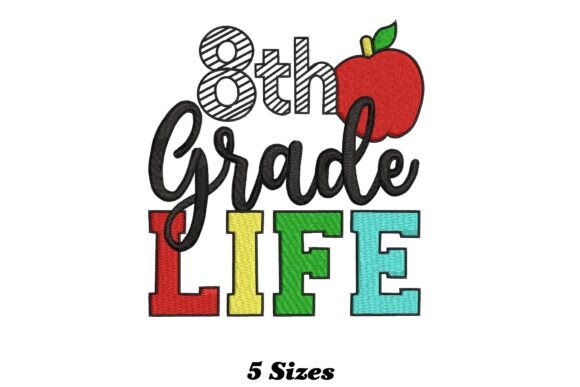
8th Grade Life: A Whimsical Embroidery Design for Modern Creative Workflows
In the realm of custom textile production and personal crafting, the selection of a design is rarely just an aesthetic choice; it is a strategic decision that impacts brand identity, project cohesion, and final product appeal. The 8th Grade Life machine embroidery design represents a specific niche within this ecosystem, offering a playful, nostalgic motif that resonates deeply with audiences ranging from educators to small business owners. This design is not merely a pattern to be stitched; it is an asset that can be integrated into various creative workflows to enhance fabrics with a dash of charm. Whether applied to promotional t-shirts, personalized home decor, or functional items like towels, the versatility of this design allows creators to add a whimsical touch to their projects efficiently.
Understanding the Role of 8th Grade Life in Creative Planning
Before executing any embroidery project, successful planners and entrepreneurs engage in a phase of asset selection where they evaluate designs against their target audience and project goals. The 8th Grade Life design fits into this process as a high-impact visual element that communicates nostalgia, school spirit, and youthful energy. For professionals managing a line of merchandise, such as teachers creating classroom supplies or event organizers planning graduation parties, this design serves as a focal point that immediately establishes a theme.
The utility of this design extends beyond simple decoration. In a broader workflow, it acts as a connector between the digital planning phase and the physical manufacturing stage. When a creator decides to use the 8th Grade Life motif, they are making a statement about the tone of their product. It suggests an approachable, fun, and relatable vibe, which is often a critical factor in marketing campaigns aimed at parents, students, or alumni associations. Understanding this emotional resonance is the first step in effectively utilizing the design within a structured production plan.
Integrating the Design into Pre-Production Workflows
Effective implementation begins long before the needle touches the fabric. During the pre-production phase, the focus is on compatibility, file management, and material selection. The 8th Grade Life design comes equipped with multiple embroidery file formats, a feature that significantly streamlines the technical preparation required for different machinery. This multi-format availability is a crucial consideration for businesses that operate diverse fleets of embroidery machines or collaborate with external manufacturers who may use varying hardware.
File Format Management and Compatibility
One of the primary advantages of this design is its adaptability across platforms. Most modern embroidery software supports standard industry formats, but ensuring the correct file type is loaded prevents costly errors during stitching. Creators should verify which formats their specific machines require—common types include .PES, .DST, .JEF, and .EXP—and ensure the downloaded package contains the necessary version. By organizing these files into a dedicated project folder, teams can maintain version control and avoid confusion when scaling up production.
Fabric and Stabilizer Selection
The whimsical nature of the 8th Grade Life design makes it suitable for a wide range of substrates, but the choice of material dictates the final quality. For t-shirts, a medium-weight cotton or polyester blend works well, provided the appropriate stabilizer is used to prevent puckering. Towels present a unique challenge due to their looped texture; here, a cut-away stabilizer is often preferred to support the dense stitching areas of the text and graphics. Home decor items, such as pillowcases or wall hangings, allow for more experimentation with linen or canvas, where the design can serve as a central decorative element. Evaluating these material interactions early in the planning stage ensures that the execution matches the vision.
Execution Strategies for Different Project Types
Once the preparatory work is complete, the execution phase involves the actual digitization, hooping, and stitching processes. The way the 8th Grade Life design is applied varies depending on the end product, requiring specific adjustments to tension, stitch density, and placement.
- Promotional T-Shirts: For bulk orders, consistency is key. Using a multi-head machine, operators can stitch the design simultaneously on dozens of shirts. The playful text and imagery of the design hold up well on curved chest pockets or centered back placements. It is essential to test stitch out a sample first to adjust thread tension, ensuring the letters remain legible and the whimsical elements do not bleed.
- Personalized Towels: When applying this design to towels, the goal is durability and softness. Since towels absorb moisture and undergo frequent washing, securing the edges of the embroidery with a tight satin stitch border helps prevent fraying. The design's lighthearted theme makes it an excellent gift item for teachers or school volunteers, adding a personal touch to a utilitarian object.
- Home Decor Accents: For interior design projects, the 8th Grade Life motif can transform plain linens into conversation starters. Placing the design on throw pillows, table runners, or even denim jackets adds a layer of personality to a space. In this context, the design functions as art, so precision in hoop alignment and thread color matching becomes paramount to achieving a professional finish.
Optimizing Efficiency and Quality Control
In a professional setting, time is a resource that must be managed alongside materials. The 8th Grade Life design contributes to efficiency by reducing the need for complex custom digitization. Because the design is pre-digitized and tested, creators can bypass the hours typically spent creating stitch paths, allowing them to focus on assembly and finishing. However, maintaining quality control remains a non-negotiable part of the workflow.
Implementing a rigorous inspection protocol after stitching ensures that every piece meets the brand's standards. Common issues to watch for include thread breaks, skipped stitches, or misalignment, particularly if the design includes intricate details or fine lettering. Regular maintenance of the embroidery machine, including cleaning lint from the bobbin area and checking needle sharpness, directly impacts the clarity of the 8th Grade Life output. Furthermore, keeping a log of settings used for different fabric types creates a reference library that speeds up future projects.
Long-Term Utility and Brand Consistency
Beyond immediate production runs, the 8th Grade Life design offers long-term value for brands and individuals looking to build a cohesive aesthetic. For educators running a classroom store or a small business specializing in school-themed apparel, having a reliable, high-quality design asset allows for consistent reordering and seasonal updates. The timeless appeal of the "8th grade" concept ensures that the design does not quickly become obsolete, providing a stable foundation for recurring revenue streams.
Integrating this design into a broader portfolio requires thoughtful organization. Digital assets should be backed up securely, and physical samples should be archived to serve as quality benchmarks for future batches. As workflows evolve and new machinery is adopted, the multi-format nature of the design ensures it remains accessible and usable, protecting the initial investment in the asset. By treating the design as a core component of the production pipeline rather than a one-off novelty, creators can maximize its impact and streamline their operations for sustained success.
Practical Implementation Tips for Creators
To fully leverage the potential of the 8th Grade Life embroidery design, consider the following practical observations derived from real-world application:
- Test Before You Scale: Always run a test stitch on a scrap piece of the exact fabric you intend to use. This verifies that the stabilizer choice is correct and that the stitch count aligns with your machine's capabilities.
- Leverage Multi-Format Files: Keep all file formats available in your project directory. If you switch machines or send the job to a third-party embroiderer, having the correct format ready eliminates delays.
- Focus on Placement: The whimsical nature of the design benefits from strategic placement. On t-shirts, a slightly off-center placement can look more casual and modern, while centered placement on home decor offers a classic, balanced look.
- Maintain Thread Inventory: Identify the specific thread colors required for the design and stock them in advance. Running out of a specific shade mid-production can halt the entire workflow.
By approaching the 8th Grade Life design with a structured, process-oriented mindset, creators can transform a simple graphic into a powerful tool for expression and commerce. Whether enhancing a single garment or producing a full collection, the integration of this charming motif into a disciplined workflow ensures high-quality results that resonate with the intended audience.