1st Grade Rainbow: A Playful Typography & Embroidery Guide
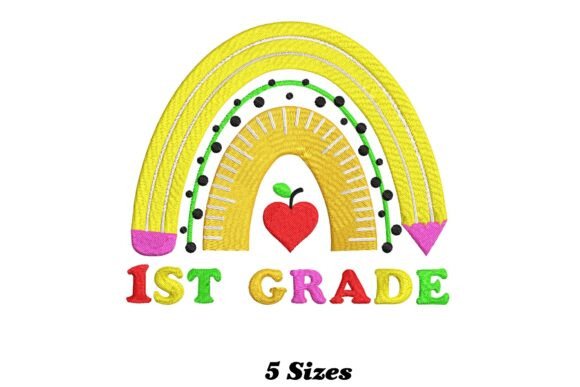
There is a specific kind of joy found in the messy, colorful lines of a child’s first drawing. It is unpolished, honest, and instantly recognizable. 1st Grade Rainbow captures that exact sentiment, translating the whimsy of early childhood education into a versatile design asset. Whether you are looking at it as a digital typeface for your next branding project or as a machine embroidery design to stitch onto fabrics, this aesthetic brings an immediate sense of warmth and approachability. It bridges the gap between professional design execution and the raw charm of a handwritten font, making it a favorite among designers who want to inject personality into their work without sacrificing quality.
The Visual Personality of 1st Grade Rainbow
At its core, 1st Grade Rainbow is defined by its playful irregularity. Unlike rigid modern typography that adheres strictly to geometric rules, this style mimics the natural variation found when a child learns to write. The strokes are thick and confident, often featuring slight wobbles that suggest movement rather than static perfection. Visually, it leans heavily into the script font category but retains a blocky, friendly structure that prevents it from becoming illegible.
When utilized as a display font, the "rainbow" aspect implies a multi-colored palette, though the monochrome version holds equal weight through its bold outlines. The personality is undeniably cheerful, nostalgic, and inviting. It avoids the stiffness of a traditional serif font or the cold neutrality of a standard sans serif font. Instead, it feels like a creative font designed specifically to lower barriers and make the viewer smile. This makes it an excellent choice for projects where emotional connection is more important than corporate minimalism.
From Screen to Stitch: Versatile Applications
The true power of 1st Grade Rainbow lies in its adaptability across different mediums. In the digital realm, it shines in web design headers, social media graphics, and editorial design for children's magazines or family blogs. Its high contrast and distinct shapes ensure it stands out even on small mobile screens, provided it is used sparingly as a headline element.
However, the transition to physical media is where this design truly comes alive. As a machine embroidery pattern, 1st Grade Rainbow offers a unique opportunity to add texture and dimension to textiles. Imagine stitching this design onto a cotton t-shirt for a teacher appreciation gift, or adding it to a set of kitchen towels to brighten up a home decor space. The thick strokes of the letters translate beautifully into thread, creating a raised, tactile effect that digital screens cannot replicate.
For entrepreneurs and small business owners, this versatility is invaluable. You can use the same visual identity for your logo design on a website and then apply it directly to merchandise. This consistency strengthens your brand identity while allowing you to expand into product lines like tote bags, hats, or nursery blankets. The design works equally well in packaging design for organic snacks or educational toys, signaling to parents that the product inside is safe, fun, and made with care.
Impact on Readability and Brand Perception
While 1st Grade Rainbow is visually striking, it is crucial to understand how it influences readability and audience engagement. Because it mimics handwriting, it naturally draws the eye, creating a strong focal point in any layout. However, like most display fonts, it should not be used for long blocks of body text. The irregular spacing and varying stroke widths can strain the eyes if read for extended periods.
In terms of brand perception, using this typeface signals openness and creativity. It tells your audience that your brand is human-centric and values connection over formality. For a marketing campaign targeting families, educators, or creative hobbyists, this alignment is critical. It fosters trust and relatability. Conversely, using it for a law firm or a financial institution would likely create a disconnect, undermining the professionalism required in those sectors. Therefore, the key to success is matching the font's personality to the intended message.
Visual hierarchy is also enhanced by the bold nature of the design. When paired with a clean, neutral sans serif font for supporting text, 1st Grade Rainbow creates a dynamic contrast that guides the reader effortlessly from the headline to the details. This strategic font pairing ensures that the whimsy doesn't overwhelm the information, maintaining a balance between fun and functionality.
Practical Guidance for Designers and Creators
If you are considering integrating 1st Grade Rainbow into your workflow, start by evaluating the specific needs of your project. Is the goal to evoke nostalgia, or simply to add a pop of color? If you are working on a commercial venture, ensure you have the appropriate licensing. As a commercial font and embroidery asset, the rights to use it for profit must be clearly established to avoid legal complications down the line.
When testing the design, pay attention to scale. In embroidery, very small sizes can cause threads to bunch up, losing the definition of the letters. Always run a test stitch on a scrap piece of fabric before committing to your final product. Check the density of the stitches and ensure the "rainbow" colors blend well or stand out as intended based on your fabric background.
For digital applications, review the included styles within the font package. Many versions come with alternate characters or ligatures that can add extra flair to your design assets. Experiment with these variations to see if they enhance your composition. Remember that less is often more; let the font breathe by giving it ample white space around it.
Final Thoughts on Creative Execution
1st Grade Rainbow is more than just a collection of letters; it is a tool for storytelling. Whether you are crafting a digital ad, designing a logo for a new startup, or stitching a personalized gift, this design brings a level of charm that is hard to replicate with standard typefaces. By understanding its strengths and limitations, you can leverage its playful nature to create work that resonates deeply with your audience. In a world saturated with sleek, impersonal designs, sometimes the best way to stand out is to embrace the imperfect, joyful spirit of a first-grade classroom.